
Relocating a Cape Town Office Without Losing a Day's Work
When a business types "mover near me", it's rarely about a couch. It's about getting an entire operation — desks, servers, files, people and all — from one address to another without the wheels coming off the business in the process.
That's the part the average removal company underestimates. The cost of an office move isn't really the truck and the crew. It's the downtime: every hour the phones are dead, the network is down, or the team is standing around not working is money walking out the door. A good office relocation is judged on one thing above all — how quickly everyone is back at their desks and productive on the other side.
This guide is written for Cape Town business owners and property managers planning exactly that. We'll walk through how to plan the timeline, what equipment needs special handling, how to keep confidential data secure in transit, the lease and building realities most people forget, and how to choose office movers near me searches actually surface that are equipped for commercial work — not just household removals in a bigger truck.
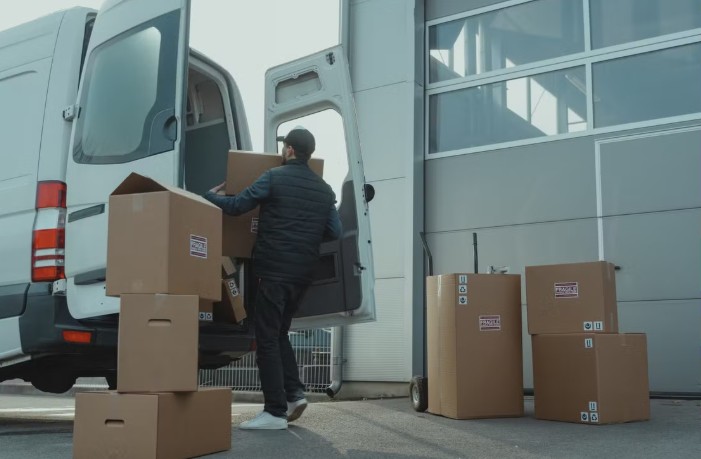
Why an Office Move Is a Project, Not Just a Removal
A home move is a single event. An office move is a project with a before, during and after — and a lot of moving parts that aren't furniture at all.
Compared with shifting a household (covered in our guide to home moves in Cape Town), an office relocation adds layers most people don't anticipate: live IT systems that must come down and back up cleanly, confidential records that can't go missing, staff who need to know exactly what to do, a landlord expecting the old space returned in good order, and a new building with its own access rules. Miss one and the whole day backs up.The businesses that move well treat it as a coordinated project with a clear owner, a timeline, and a team — the moving companies Cape Town firms that do this regularly bring that structure with them.
When Cape Town Businesses Start Searching for an Office Mover
Most commercial moves trace back to one of a handful of triggers:
- A lease is ending and renewal terms no longer make sense.
- The business is growing and has outgrown its current floor space.
- The business is right-sizing — a hybrid or remote shift means less desk space is needed.
- Branches are being consolidated into one location.
- A better node opens up — closer to clients, better parking, a smarter address.
- The landlord is redeveloping and the tenant needs to relocate.
Property owners and managers sit on the other side of several of these — handing a vacated space back, preparing a unit for a new tenant, or coordinating a tenant's move-out. Whichever side you're on, the planning principles are the same.
The Office Relocation Timeline
The single biggest predictor of a smooth move is lead time. Here's a realistic runway for a typical small-to-mid Cape Town office.
| When | What happens |
| 6–8 weeks out | Confirm the new premises and move date; appoint an internal move coordinator; start getting quotes from movers experienced in commercial work |
| 4–5 weeks out | Get the new floor plan; decide desk and department layout; book the mover; notify IT and telecoms providers |
| 2–3 weeks out | Confirm building access (lifts, loading bay, after-hours permits) at both ends; order crates; brief staff; arrange decommissioning of surplus furniture |
| 1 week out | Label everything by zone; back up all data; staff pack personal desks; confirm the moving schedule and crew |
| Move day(s) | Disconnect and crate IT; load by zone; transport; reconnect and test systems; staff unpack their own desks |
| Week after | Snag the new space; reinstate the old premises; resolve any niggles; confirm everything works |
A rushed two-week scramble can be done — but it's where breakages, lost files and unplanned downtime tend to happen.
The Equipment That Needs Special Handling

Office contents aren't household contents. Several categories need a plan of their own.
IT — servers, workstations and networking
This is the highest-stakes part of any office move. Servers, network switches and workstations need to come down in a controlled sequence, be transported securely, and come back up in the right order so systems are live again fast. Cables and connections should be photographed and labelled before anything is unplugged, so reassembly isn't a guessing game. Coordinate the physical move with your IT provider so the handover is seamless.
Filing cabinets and heavy storage
Filing cabinets are deceptively dangerous — full, they're extremely heavy and prone to tipping, and a top-heavy four-drawer unit can injure someone. They should be emptied before the move, with contents crated and labelled separately. Lateral cabinets and steel storage units are heavy even when empty.
Boardroom tables, reception and branded fixtures
Large boardroom tables often dismantle for transport, which saves both your doorways and the tabletop. Reception desks, branded signage and bespoke fixtures are usually custom-made and costly to replace, so they need careful wrapping and, sometimes, professional dismantling.
Printers, copiers and specialised equipment
Large multifunction printers and copiers have internal components that can be damaged in transit and sometimes need toner secured or transport locks engaged — check the manufacturer's guidance or your service provider. The same caution applies to any specialised equipment, from lab gear to studio kit.
| Item | Main challenge | Smart handling |
| Servers / network gear | Sequenced shutdown, secure transport, fast restart | Photograph and label cabling; coordinate with IT |
| Filing cabinets | Heavy, tip risk | Empty fully; crate and label contents separately |
| Workstations / monitors | Fragile screens, cable tangle | Label per desk; pad screens; bag cables by station |
| Boardroom table | Bulk on corners and lifts | Dismantle where possible |
| Copier / printer | Internal damage, leaks | Engage transport locks; secure toner per guidance |
| Reception / branding | Custom, costly to replace | Professional wrap and dismantle |
Protecting Data and Confidential Files During the Move
This is the piece almost everyone forgets until it matters. The moment files leave a locked office and go onto a truck, your duty to protect them doesn't pause — and under South Africa's POPIA rules, mishandled personal information carries real consequences.
A sensible approach:
- Crate confidential records in sealed, numbered containers and keep a simple log of which crate holds what.
- Limit who has access to those crates during the move, and have a named person sign them off at both ends.
- Keep sensitive files separate from the general load so they're never mixed in with the office plants and kitchen kettle.
- Back up all digital data before move day — hardware can be replaced, but a server lost or damaged with the only copy of your records is a different kind of problem.
Treating documents as a chain of custody, not just "more boxes", is the mark of a business that takes the move seriously.
The Building and Lease Side (What Property Owners Watch)
Here's where commercial moves diverge sharply from residential ones. There are two properties in play, and both have conditions.
On the way out, most commercial leases include a reinstatement or "make-good" clause — the tenant must return the space to an agreed condition, which can mean removing fittings, patching walls, repainting, or stripping out partitions. Get clear on this early, because it affects your timeline, your budget, and the return of any deposit. Property owners on the other side will be snagging the vacated unit against exactly these terms.
Access at the new premises
Commercial buildings rarely let you just pull up and carry things in. Before move day, confirm:
- Whether there's a goods or freight lift, and whether it must be booked.
- Where the loading bay is and whether a slot needs reserving.
- Whether moves are restricted to after hours or weekends.
- What access permits, security clearance or sign-in the building management requires for the crew.
- Whether the building has a dedicated building manager to coordinate with.
Sorting this with building management in advance is the difference between a crew that walks straight in and one that's stuck at a service entrance for an hour.
Cape Town's commercial nodes and their quirks
Where you're moving shapes the logistics. The Foreshore and CBD are dense with office towers where goods-lift bookings and after-hours access are the norm. Century City and Bellville/Tyger Valley mix corporate parks with strict estate and building rules. Claremont and the Woodstock/Salt River creative belt have older converted buildings with tight access and smaller lifts. Office parks like Black River Park in Observatory and Westlake further south have their own management and loading arrangements. We plan around exactly those constraints when we're relocating an office in Observatory. And if you're moving warehousing or stock as well, the industrial nodes of Montague Gardens, Epping, Airport Industria and Paarden Eiland come with loading-dock logistics of their own. We've helped many businesses relocate in Epping - a mover who knows these areas plans around them instead of discovering them on the day.
Minimising Downtime: After-Hours, Weekend and Phased Moves
Downtime is the enemy, so the smartest schedules are built to avoid it:
- After-hours moves run the relocation overnight so the team logs off at the old office and logs on at the new one the next morning.
- Weekend moves give a full clear window to move, reconnect and test before Monday.
- Phased moves shift the business in stages — non-critical departments first, then the core — so the business never fully stops.
- A pilot desk set up and tested at the new site before the bulk move confirms the network and power are ready for everyone.
The right choice depends on your size, your tolerance for disruption, and what the buildings at both ends allow. A good mover near me search should turn up a team that can work to your schedule, not just theirs.
What to Do With Furniture and Equipment You No Longer Need
Almost every office move surfaces surplus — desks that don't suit the new layout, chairs past their best, equipment being retired. You've got options: resell or donate usable pieces, responsibly dispose of what's broken, or put items into storage if you might need them later. Decommissioning surplus before the move means you're not paying to transport furniture you're about to get rid of. For odd individual pieces or a small secondary run, our furniture removals Cape Town service can handle single items separately from the main relocation.
Choosing Office Movers Near You
Vetting a mover properly — reviews, insurance, like-for-like quotes — works the same for offices as for homes, and our guide on how to compare and choose moving companies covers that groundwork in full. For a commercial move specifically, add these questions to the list:
- Have you handled office relocations of our size, and can you share business references?
- How do you handle IT equipment, and do you coordinate with our IT provider?
- Can you work after hours or over a weekend to limit our downtime?
- What insurance covers business equipment and electronics in transit?
- Can you manage a phased move across multiple days?
- Do you offer crates, labelling systems and decommissioning?
A mover who answers these confidently is in the commercial business. One who only talks about trucks is set up for households.
Office Move Prep Checklist
- Appoint an internal move coordinator with authority to make decisions.
- Get the new floor plan and map desks, departments and IT points.
- Notify telecoms and internet providers early — connectivity lead times can be long.
- Confirm reinstatement obligations on the old lease.
- Book lifts, loading bays and after-hours access at both buildings.
- Label everything by destination zone — colour-coding works well.
- Back up all data before move day.
- Have staff pack and label their own desks and personal items.
- Crate and log confidential files separately under a named person.
- Plan the IT shutdown-and-restart sequence with your provider.
FAQs About Office Relocations in Cape Town
Reputable movers carry goods-in-transit cover; for offices, confirm in writing what's covered for electronics and high-value equipment, and whether anything needs additional cover. The vetting steps in our choosing-a-company guide apply here too.
Ready To Plan Your Office Move?

An office relocation done well is almost invisible to your clients — staff leave on Friday and arrive Monday in a working office, with the phones ringing and the network live. Done badly, it costs you a week of productivity and a pile of avoidable stress. The difference is planning, the right handling of IT and data, and a team that understands commercial moves in Cape Town.
If you're searching for office movers near me or comparing moving companies near me for a business relocation, FTH Transport can help — from a single-department shift to a full office move across the metro, planned around your downtime and your building's rules. Tell us your current and new addresses, your rough size, your IT and equipment, and your ideal timing, and we'll come back with a clear, fair quote.
Request an office relocation quote — or explore the full range of moving services Cape Town businesses use.